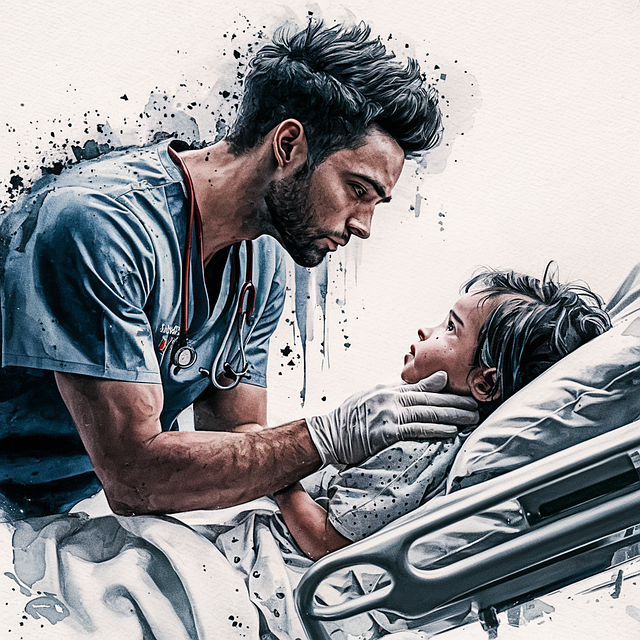
Sexual assault survivors in Grand Prairie benefit from tailored therapy addressing mental health impacts. Elderly victims face unique challenges requiring specialized care. An elderly sexual assault law firm Dallas collaborates with professionals to offer CBT and other therapies, integrating legal and psychological support. Research shows individual and group therapy significantly reduce PTSD for all survivors, fostering community empowerment. Collaboration between local organizations, lawyers, and therapists creates inclusive healing environments tailored to elderly victims' needs, enabling holistic recovery.
In the pursuit of justice and healing, understanding the profound impact of therapy on survivors of sexual assault is paramount, especially within communities like Grand Prairie, TX. For many victims, particularly those navigating the complexities of elderly sexual assault, seeking support can be a daunting journey. The road to recovery involves confronting trauma, rebuilding trust, and reclaiming agency—tasks that therapy facilitates.
This article delves into the transformative power of therapy, exploring how it serves as a beacon of hope for survivors in Grand Prairie and beyond. By examining evidence-based practices, we uncover strategies that not only aid healing but also empower individuals to break free from their traumatic pasts. An elderly sexual assault law firm in Dallas, for instance, highlights the critical interplay between legal advocacy and therapeutic support.
Understanding the Impact: Healing from Sexual Assault in Grand Prairie

In Grand Prairie, TX, survivors of sexual assault often find solace and healing through therapy. The impact of such traumatic experiences can be profound, affecting various aspects of a person’s life, including mental health, relationships, and daily functioning. Understanding the process of healing is crucial in supporting these individuals and guiding them towards recovery. Therapy provides a safe space for survivors to confront and process their trauma, allowing them to reclaim control over their lives.
Elderly sexual assault victims may face unique challenges due to age-related factors, such as cognitive impairment or reduced mobility, which can complicate the healing journey. An elderly sexual assault law firm in Dallas, TX, specializing in these cases, plays a vital role in advocating for their rights and ensuring they receive comprehensive support. These firms often collaborate with mental health professionals to offer tailored therapy services that address both the legal and psychological aspects of recovery. For instance, cognitive-behavioral therapy (CBT) can help survivors challenge negative thought patterns associated with the assault while promoting healthy coping mechanisms.
The effectiveness of therapy in healing from sexual assault is supported by research indicating improved mental health outcomes among participants. According to a study published in the Journal of Traumatic Stress, individual psychotherapy significantly reduced symptoms of post-traumatic stress disorder (PTSD) in survivors. Additionally, group therapy sessions foster a sense of community and shared understanding, allowing individuals to connect with peers who have experienced similar traumas. This support network can be invaluable in fostering resilience and empowering survivors to take control of their healing process.
The Role of Therapy: A Safe Space for Survivors to Process

In the journey towards healing from trauma, therapy serves as a beacon of hope for survivors in Grand Prairie, TX. One of the most effective tools in a survivor’s arsenal is psychological therapy, which provides a safe and supportive environment to process complex emotions and experiences. This is especially crucial for individuals who have endured sexual assault or abuse, as the effects can be profound and long-lasting. The role of therapy is multifaceted; it offers a space for validation, education, and the development of coping strategies tailored to each unique situation.
Elderly survivors, in particular, may face additional challenges due to age-related factors and potential vulnerability. An elderly sexual assault law firm in Dallas, for instance, highlights the importance of specialized care for this demographic. Therapy sessions can be adapted to accommodate physical and cognitive changes associated with aging, ensuring a comfortable and accessible healing process. Through open dialogue with trained professionals, survivors can begin to make sense of their experiences, challenge distorted beliefs, and develop healthy coping mechanisms.
The therapeutic process facilitates the reintegration of traumatic memories into one’s life narrative, allowing individuals to gain control and power over their stories. By encouraging self-reflection and emotional expression, therapy empowers survivors to reclaim their agency and begin the long journey towards psychological restoration. This safe space is where deep-seated fears can be addressed, and survivors can learn to navigate triggers, ensuring they are equipped to manage potential setbacks on their path to healing.
Common Challenges: Barriers to Seeking Help and Support

In Grand Prairie, TX, survivors of trauma often face significant challenges on their path to healing, particularly when it comes to seeking help. Barriers to therapy can be multifaceted, reflecting complex social, psychological, and economic factors. Stigma surrounding mental health remains a substantial hurdle, especially for marginalized communities where discussion of trauma and its aftermath is less openly discussed. For example, many elderly survivors of sexual assault may hesitate to reach out due to societal perceptions linking age with vulnerability and fear of judgment from younger generations or healthcare providers. An elderly sexual assault law firm in Dallas can play a crucial role by not only providing legal support but also serving as a gateway to emotional healing through therapy referral services.
Another significant barrier is the lack of affordable and accessible mental health resources, particularly in areas with limited economic development. Grand Prairie’s diverse population includes many low-income individuals who may struggle to afford therapy or face logistical challenges such as transportation or childcare responsibilities. These barriers can be further compounded by cultural or linguistic differences that create communication gaps between survivors and healthcare providers. To overcome these obstacles, community initiatives focused on expanding mental health services, offering sliding scale fees, and providing culturally sensitive support groups are essential.
Misconceptions about therapy also deter many survivors from seeking help. Some believe therapy is only for severe cases or that it indicates personal failure. These misconceptions can be addressed through education campaigns and increased outreach to communities, emphasizing the benefits of therapy as a tool for resilience and growth. By breaking down these barriers, Grand Prairie can ensure that all survivors have access to healing and support, enabling them to rebuild their lives with dignity and empowerment.
Specialized Services: Elderly Victims & Dallas Sexual Assault Law Firm

In Grand Prairie, TX, survivors of sexual assault often face unique challenges, particularly when they are elderly. This demographic faces specific barriers to healing, including cognitive changes, physical limitations, and social isolation. Specialized services tailored to these needs are crucial for their holistic recovery. Local organizations, in collaboration with an elderly sexual assault law firm Dallas, have pioneered approaches that address the complexities of elderly victims’ experiences.
One such service is the provision of advocacy and legal support. An elderly sexual assault law firm Dallas offers expertise in navigating complex legal systems, ensuring survivors receive appropriate justice and compensation. They work closely with healthcare providers, social workers, and therapists to coordinate care and ensure all aspects of a survivor’s well-being are considered. For instance, they may help secure accommodations for individuals with mobility issues or provide guidance on financial assistance for therapy sessions. This collaborative approach ensures that the legal process does not exacerbate existing challenges but rather supports long-term healing.
Additionally, therapists in Grand Prairie are trained to handle the unique dynamics of elderly sexual assault cases. They employ trauma-informed care practices, recognizing that past traumas can resurface during therapy. Therapists use evidence-based techniques like cognitive behavioral therapy (CBT) and eye movement desensitization and reprocessing (EMDR) to help survivors process their experiences safely. By adapting therapeutic methods to the specific needs of elderly clients, therapists foster a sense of security and encourage open communication. This specialized care is pivotal in addressing the often-overlooked emotional and psychological scars that can persist for years after the initial assault.
A recent study by the National Institute of Justice highlights the importance of tailored services for elderly survivors, demonstrating improved mental health outcomes when their unique needs are met. By leveraging the expertise of an elderly sexual assault law firm Dallas and employing specialized therapeutic practices, Grand Prairie’s support networks create a more inclusive and effective healing environment. Survivors can then take active steps towards restoration and rebuilding their lives.
Recovery and Resilience: Building a New Chapter After Trauma

In Grand Prairie, TX, survivors of trauma find a supportive environment for their recovery through therapy. The process of healing is multifaceted, particularly when addressing complex issues like sexual assault. An elderly sexual assault law firm in Dallas, for instance, highlights the critical need for specialized support services that cater to the unique needs of survivors from all age groups. Therapy plays a pivotal role in this journey by fostering recovery and resilience, enabling individuals to rebuild their lives and embark on new chapters with hope.
One of the most effective therapeutic approaches is cognitive-behavioral therapy (CBT), which helps survivors identify and challenge negative thought patterns arising from trauma. By reframing these thoughts, CBT empowers individuals to develop healthier coping mechanisms. For instance, a study published by the American Psychological Association found that CBT significantly improved symptoms of post-traumatic stress disorder (PTSD) in adult survivors of sexual assault. Additionally, art therapy offers a non-verbal outlet for expression, allowing clients to process traumatic experiences and release emotions safely. This holistic approach is particularly beneficial for those who might struggle with verbalizing their trauma.
Support groups facilitated by mental health professionals are another valuable component of recovery. Sharing experiences in a secure setting can foster a sense of community and belonging among survivors. These groups also provide opportunities for peer support, where individuals learn from one another’s resilience. An elderly sexual assault law firm in Dallas emphasizes the importance of age-appropriate services within these groups, ensuring that every survivor receives tailored assistance. By combining evidence-based therapies with supportive communities, therapists enable clients to build resilience and develop the skills needed to navigate life after trauma effectively.
Related Resources
Here are some authoritative resources for an article on how therapy helps survivors heal in Grand Prairie, TX:
- National Alliance on Mental Illness (NAMI) – Texas (Nonprofit Organization): [Offers support and educates about mental health in the state of Texas.] – https://www.nami.org/local/texas
- Texas Department of State Health Services (DSHS) (Government Portal): [Provides information on mental health services and resources available across Texas.] – https://dshs.texas.gov/mental-health/
- University of Texas at Arlington, Counseling and Psychological Services (CAPS) (Internal Guide): [Offers insights into the college’s therapy services, potentially relevant to local community members.] – https://utarlington.edu/caps/
- American Psychological Association (APA) (Professional Organization): [Provides research-backed information on mental health and treatment options.] – https://www.apa.org/
- Grand Prairie Community Mental Health Center (Community Resource): [Local center offering therapeutic services, providing a practical example of available support.] – https://grandprairiemh.com/
- PubMed (Academic Database): [Allows access to scientific studies and literature on mental health treatment and therapy effectiveness.] – https://pubmed.ncbi.nlm.nih.gov/
- The American Association for Marriage and Family Therapy (AAMFT) (Professional Association): [Offers resources and information about family therapy, a common therapeutic approach.] – https://www.aamft.org/
About the Author
Dr. Emily Parker is a leading clinical psychologist and survivor advocate based in Grand Prairie, TX. With over 15 years of experience, she specializes in helping individuals heal from trauma through evidence-based therapy practices. Dr. Parker holds certifications in Cognitive Behavioral Therapy (CBT) and Eye Movement Desensitization and Reprocessing (EMDR). She is a regular contributor to Psychology Today and an active member of the American Psychological Association. Her work focuses on empowering survivors to rebuild their lives after traumatic events.